Design for Reuse
R&D into circular materials at scale
Program
Design for Reuse Material Systems
Photographer
Tom Blachford
We are developing upcycled building materials and components using construction and demolition as a resource, for future application in surfaces, panels and building products across architectural and landscape applications.
Roughly half of the raw materials humans extract go into the world’s built environment. Construction and demolition (C&D) creates an estimated third of the world’s overall waste, accounting for over 27 million tonnes of waste produced annually in Australia. Material reuse will play a major role in redirecting this linear extractive material trajectory.
HARVESTING VALUE
Global shifts show that harvesting materials through the deconstruction of existing buildings is gradually becoming an industry norm, and this evolution will shift how industries assign value to existing resources in order to redeploy materials back into new built projects. Relative Systems is conducting ongoing R&D alongside specialist contractors and suppliers to accelerate resource reuse within local built projects — through deconstruction and urban mining. We are also involved in the design of architectural products and material systems embedding recycled content and lower embodied carbon ingredients.
FROM DOWNCYCLING TO UPCYCLING
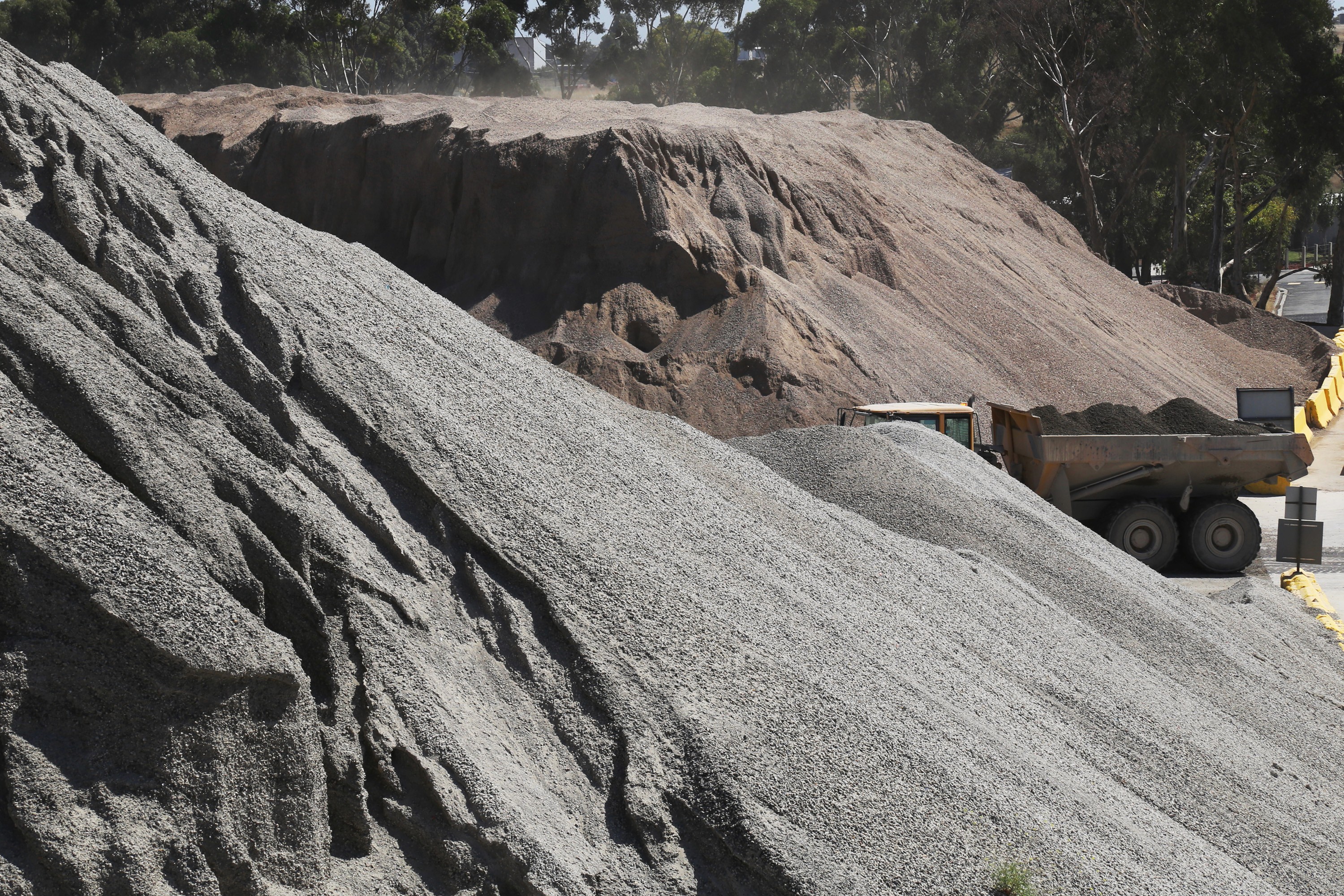
Many materials such as masonry and concrete demolition waste can be reclaimed, however these materials are traditionally ‘downcycled’ for purposes such as crushed material used for roadbase. We are developing new models for material reuse across multiple applications within urban projects, landscape, architecture and interiors — connecting global technical design expertise, local supply capability and material feasibility for forward-thinking development decision making.
DECONSTRUCTED MATERIALS AS ASSETS
Existing materials are not only specified, they are integrated through a process of industrial design which enables reused elements to be reframed as valuable assets and processed into new structures, elements and surfaces. We are working with asset owners, architects, contractors, recyclers, engineers and manufacturers to divert waste from landfill through deconstruction, material remanufacture and reuse. We run a collective process that evaluates the potential of existing materials and engages wholly with the design process to embed deconstructed materials into the strategy, design and materials application workflow. As the advent of digital twins, material passports and digital management systems evolves, this presents further opportunity to develop, track and account for the true value of materials within extended and closed loops.




© Relative Systems
On Wurundjeri Lands — Melbourne
84 Rupert Street Collingwood VIC
On Gadigal Lands — Sydney
Level 4, 180 George Street Sydney NSW
© Relative Systems
On Wurundjeri Lands — Melbourne
84 Rupert Street Collingwood VIC
On Gadigal Lands — Sydney
Level 4, 180 George Street Sydney NSW
R&D into circular materials at scale
Design for Reuse
Client
Country
Program
Design for Reuse Material Systems
Services
Year
Additional Consultants
Photographer
About
We are developing upcycled building materials and components using construction and demolition as a resource, for future application in surfaces, panels and building products across architectural and landscape applications.
Roughly half of the raw materials humans extract go into the world’s built environment. Construction and demolition (C&D) creates an estimated third of the world’s overall waste, accounting for over 27 million tonnes of waste produced annually in Australia. Material reuse will play a major role in redirecting this linear extractive material trajectory.
HARVESTING VALUE
Global shifts show that harvesting materials through the deconstruction of existing buildings is gradually becoming an industry norm, and this evolution will shift how industries assign value to existing resources in order to redeploy materials back into new built projects. Relative Systems is conducting ongoing R&D alongside specialist contractors and suppliers to accelerate resource reuse within local built projects — through deconstruction and urban mining. We are also involved in the design of architectural products and material systems embedding recycled content and lower embodied carbon ingredients.
FROM DOWNCYCLING TO UPCYCLING
Many materials such as masonry and concrete demolition waste can be reclaimed, however these materials are traditionally ‘downcycled’ for purposes such as crushed material used for roadbase. We are developing new models for material reuse across multiple applications within urban projects, landscape, architecture and interiors — connecting global technical design expertise, local supply capability and material feasibility for forward-thinking development decision making.
DECONSTRUCTED MATERIALS AS ASSETS
Existing materials are not only specified, they are integrated through a process of industrial design which enables reused elements to be reframed as valuable assets and processed into new structures, elements and surfaces. We are working with asset owners, architects, contractors, recyclers, engineers and manufacturers to divert waste from landfill through deconstruction, material remanufacture and reuse. We run a collective process that evaluates the potential of existing materials and engages wholly with the design process to embed deconstructed materials into the strategy, design and materials application workflow. As the advent of digital twins, material passports and digital management systems evolves, this presents further opportunity to develop, track and account for the true value of materials within extended and closed loops.
We are developing upcycled building materials and components using construction and demolition as a resource, for future application in surfaces, panels and building products across architectural and landscape applications.
Roughly half of the raw materials humans extract go into the world’s built environment. Construction and demolition (C&D) creates an estimated third of the world’s overall waste, accounting for over 27 million tonnes of waste produced annually in Australia. Material reuse will play a major role in redirecting this linear extractive material trajectory.
HARVESTING VALUE
Global shifts show that harvesting materials through the deconstruction of existing buildings is gradually becoming an industry norm, and this evolution will shift how industries assign value to existing resources in order to redeploy materials back into new built projects. Relative Systems is conducting ongoing R&D alongside specialist contractors and suppliers to accelerate resource reuse within local built projects — through deconstruction and urban mining. We are also involved in the design of architectural products and material systems embedding recycled content and lower embodied carbon ingredients.
FROM DOWNCYCLING TO UPCYCLING
Many materials such as masonry and concrete demolition waste can be reclaimed, however these materials are traditionally ‘downcycled’ for purposes such as crushed material used for roadbase. We are developing new models for material reuse across multiple applications within urban projects, landscape, architecture and interiors — connecting global technical design expertise, local supply capability and material feasibility for forward-thinking development decision making.
DECONSTRUCTED MATERIALS AS ASSETS
Existing materials are not only specified, they are integrated through a process of industrial design which enables reused elements to be reframed as valuable assets and processed into new structures, elements and surfaces. We are working with asset owners, architects, contractors, recyclers, engineers and manufacturers to divert waste from landfill through deconstruction, material remanufacture and reuse. We run a collective process that evaluates the potential of existing materials and engages wholly with the design process to embed deconstructed materials into the strategy, design and materials application workflow. As the advent of digital twins, material passports and digital management systems evolves, this presents further opportunity to develop, track and account for the true value of materials within extended and closed loops.
© Relative Systems
On Wurundjeri Lands — Melbourne
84 Rupert Street Collingwood VIC
On Gadigal Lands — Sydney
Level 4, 180 George Street Sydney NSW
RELATIVE
Menu